Design
/
Vraj Patel
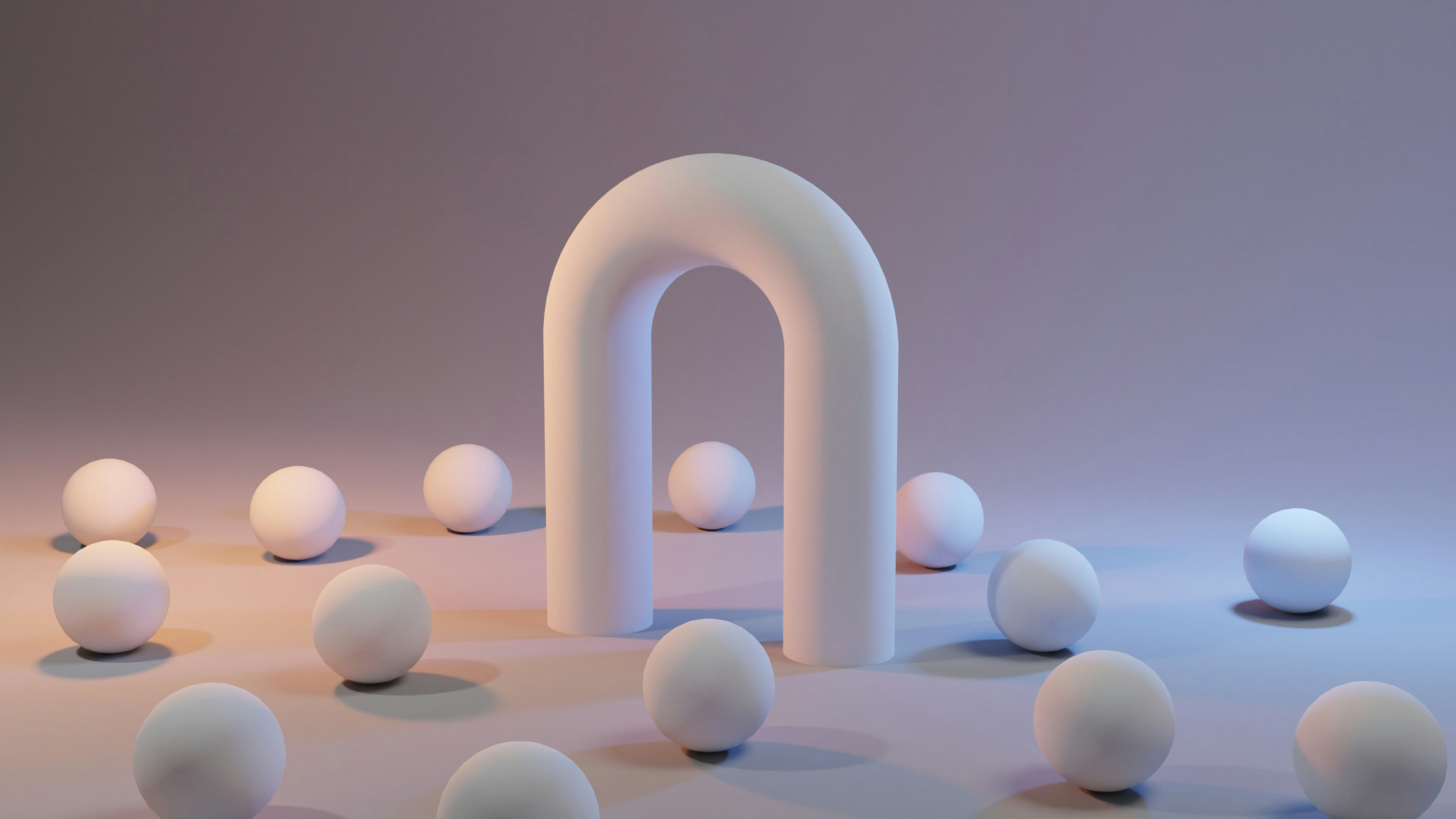
In a crowded digital landscape, immersive 3D design is emerging as the next big thing in UI/UX. This trend moves beyond flat interfaces by incorporating three-dimensional visuals and interactive elements directly into websites and apps. The result is a richer user experience that captivates visitors. In fact, websites featuring 3D interactive elements have seen user engagement jump by as much as 45%. For startups and businesses, riding this 3D wave can mean a more memorable online presence and a stronger brand impression. This post explores what immersive 3D UX design is, why it matters for modern brands, and how leveraging it (with the help of a skilled web design agency) can set your business apart.
What Is Immersive 3D UX and Why It Matters
Immersive 3D UX design refers to using three-dimensional graphics and interactive features in user interfaces to create a feeling of depth and realism. Instead of static 2D pages, users can engage with dynamic objects, scenes, or even augmented reality elements. This approach is more than just eye candy – it’s a strategic move to boost user engagement and satisfaction. Studies show that interactive content holds attention significantly longer than static content; for example, one report found websites with interactive features get 50% more engagement on average. Users today crave experiences, not just information, and 3D UX delivers exactly that. By bringing UI/UX design to life with motion and depth, businesses can communicate their value in a more engaging way and leave a lasting impression on potential customers. This is why many forward-thinking companies and agencies are investing in 3D and immersive design – it’s becoming a key driver of user engagement and brand differentiation.
Benefits of 3D Design for Startups and Brands
Embracing 3D elements in your web or app design can offer several tangible benefits for startups and growing brands:
Higher User Engagement: A well-implemented 3D interface invites users to explore and interact. Whether it’s spinning a 3D model or navigating a virtual space, people tend to stay longer on sites that encourage interaction, reducing bounce rates. As noted earlier, interactive 3D content significantly boosts engagement metrics which often correlates with better conversion rates and repeat visits.
Improved Conversion & Sales: When users can engage with products in 3D (zooming, rotating, customizing), they gain confidence in what they’re buying. For example, Audi’s pilot of a 3D car configurator saw user engagement increase by 66%, along with higher customer satisfaction. Such immersive product experiences can lead to more informed purchases and fewer returns, directly impacting your bottom line.
Memorable Branding: 3D visuals add a “wow” factor that sets a brand apart. Startups can appear more innovative by incorporating modern 3D graphics or animations into their branding. This memorability translates to better brand recall – users are more likely to remember an interactive 3D experience than a flat, static page. A lifelike 3D mascot or an animated logo, for instance, can become a signature element of your brand identity.
Enhanced User Experience: Done right, 3D elements can actually improve UX by presenting information in intuitive ways. Imagine an app that visualizes data in 3D charts or a website with a 3D map for navigation – these can make complex information easier to digest. The key is that a skilled UI/UX designer will ensure the 3D features are smooth and don’t hinder usability. When balance is achieved, users get both beauty and usability, leading to a satisfying experience that encourages loyalty.
Real-World Applications of 3D in Web and App Design
Immersive design isn’t just a theory – it’s already happening in various forms. Here are some practical applications of 3D and interactive UX that startups and businesses can leverage:
Product Visualization and 360° Views: E-commerce websites and apps use 3D models to let users rotate and inspect products as if they were physically in their hands. For example, furniture retailers enable AR previews of how a couch looks in your living room, and shoe brands let you view sneakers from every angle. These interactive product viewers increase user confidence and can lead to higher conversion rates.
Interactive Storytelling: Websites are increasingly using scroll-triggered 3D animations and scenes to tell a story as the user navigates. A tech startup might show a 3D journey of data moving securely through a network to illustrate its cybersecurity product, engaging the user through visuals. This form of narrative-driven design keeps visitors engaged and conveys information in a compelling way.
Augmented Reality (AR) Features: With smartphones and AR kits, apps can blend digital and physical worlds. A mobile app design agency might build features like virtual try-ons (e.g., seeing how a watch looks on your wrist via your phone camera) or interactive AR games tied to a brand. Such features provide novelty and utility, often encouraging users to share the experience on social media – free marketing for the brand.
3D Branding Elements: Brands are beginning to incorporate 3D into their very identity – think of logos or mascots rendered in 3D, or unique 3D illustrations on a website. A company specializing in 3D design can create a mascot that users can interact with on the site (for example, clicking it might trigger a short animation or greeting). These touches make the brand feel modern and tech-savvy, aligning with the expectations of today’s users. Importantly, these elements also create an emotional connection – users enjoy a bit of playfulness and are more likely to remember the brand.
Each of these applications shows how versatile 3D UX can be. Whether your startup is in retail, tech, education, or any sector, there’s likely a relevant way to use immersive design to enhance your product or service. The key is to focus on value-added experiences – use 3D where it genuinely improves understanding, engagement, or enjoyment, rather than as a gimmick.
Implementing Immersive UX: Do’s and Don’ts
While 3D and interactive designs are exciting, successful implementation requires careful planning. Here are some tips and cautions for rolling out 3D UX features:
Do ensure usability comes first: 3D elements should support your content, not distract from it. Navigation and core actions (like clicking “Buy Now” or filling a form) must remain easy. For instance, if you add a 3D background animation, make sure it doesn’t slow down the page or obscure important text. Usability testing is crucial – have real users try the new design and adjust based on feedback.
Do optimize for performance: Rich media can be heavy. Large 3D files or complex scripts might cause slow load times, which frustrate users (remember, 84% of users expect a site to load in 3 seconds or less work with developers to compress 3D assets and use techniques like lazy loading so that your site/app remains fast and smooth. A fast site not only pleases users but also ranks better in search engines.
Do maintain accessibility: Not everyone will interact with 3D content in the same way. Provide alternatives or fallbacks for those on older devices or with disabilities. For example, include alt text or 2D snapshots for 3D models, and ensure that essential information isn’t only conveyed through a fancy animation. Inclusivity in design broadens your audience and is often rewarded in SEO rankings as well (search engines favor sites that cater to all users).
Don’t overdo it: Just because you can animate every element in 3D doesn’t mean you should. Too much movement or complexity can overwhelm users. Aim for a balance – perhaps an interactive 3D hero section at the top of your page, then a clean, traditional layout for the rest of the content. Pick the most impactful spots for 3D so it wows the user without exhausting them.
Don’t neglect mobile experience: Immersive design should be tested on mobile devices thoroughly. Mobile users have less processing power and different navigation (swipes, pinches). Ensure your 3D features degrade gracefully on smaller screens or offer a slightly simplified experience. An experienced app design agency will pay attention to mobile-optimization so that the cool 3D feature doesn’t turn into a mobile usability nightmare.
By following these guidelines, startups can leverage cutting-edge design while still delivering a seamless UX. Often, partnering with professionals is the easiest way to get this right from the start.
Why Partner with a Web/App Design Agency for 3D UX
Implementing immersive 3D design often requires a mix of specialized skills – from 3D modeling and rendering to front-end development and UX testing. This is where hiring the right experts becomes crucial. Here’s why collaborating with a web design agency or app design agency experienced in 3D UX can be a game-changer:
Holistic Skill Set: An established web design agency brings together UI/UX designers, 3D artists, and developers under one roof. This means your project gets looked at from all angles – visual appeal, user experience, technical feasibility – ensuring the 3D elements integrate smoothly with your overall site or app. Startups often lack some of these skills in-house, so an agency fills those gaps.
Faster Execution: With experience comes efficiency. Agencies that have done interactive projects will have workflows and libraries to create 3D experiences faster and more reliably. Instead of your team spending months figuring out WebGL or AR frameworks, the agency can deploy a solution in a fraction of the time, getting you to market sooner.
Strategic Insight: A good agency won’t just be a pair of hands to code a 3D model; they’ll act as a strategic partner. They can advise on where an immersive element will have the most impact, or which idea might not be worth the effort. For example, they might suggest a 3D product tour on your homepage (if analytics show users dropping off early), or recommend an interactive demo in your app to boost onboarding engagement. Their broad experience across clients and industries can guide you to make the best use of 3D for your audience.
Quality and Consistency: When you hire an app designer or agency with 3D expertise, you’re paying for quality assurance. They will test the feature across different devices, ensure branding consistency (colors, style of 3D elements match your brand), and fine-tune details like camera angles or lighting in the 3D scenes to be just right. This level of polish is hard to achieve if you’re experimenting for the first time on your own. Remember, a glitchy or half-baked immersive feature can hurt your credibility, so it’s worth doing it right.
Ongoing Support and Improvement: Technology evolves quickly. A web design agency can not only build the first version of your immersive experience but also help maintain it. As new browser capabilities or design trends emerge, they can update your 3D content to keep it fresh. It’s a long-term partnership to keep your startup on the cutting edge of UX.
In short, while small DIY 3D additions (like embedding a pre-made model) are possible, truly harnessing immersive UX for business impact is a team effort. By collaborating with professionals, startups ensure that their investment in 3D design actually translates to a better user experience and business results, rather than a risky experiment.
Conclusion
The future of digital design is interactive, engaging, and three-dimensional. We’re moving into an era where users don’t just view websites and apps – they experience them. For startups and businesses aiming to stand out, immersive 3D UX offers a powerful way to differentiate your product, tell your story, and connect with customers on a new level. Adopting this trend early can give you a competitive edge: not only will your site or app captivate users, but it will also signal that your brand is innovative and forward-thinking.
However, success with 3D design comes from thoughtful implementation. It’s about enhancing UX, not just adding flash. By understanding the benefits and best practices discussed above, and potentially partnering with a capable UI/UX design agency, you can implement 3D features that truly elevate your brand. As nearly 48% of ecommerce sites now feature 3D graphics, it’s clear this trend is quickly becoming mainstream. The question is, will your business ride this wave or get left behind? Embrace immersive design and give your users an experience they won’t forget – your SEO metrics, engagement rates, and customers will thank you for it.