Canva Craft AI: What Designers Should Know

Canva Craft AI: What Designers Should Know

Canva Craft AI: What Designers Should Know

Design

/

Vraj Patel

Design desk with color swatches, a sketchbook, pencils, keyboard and geometric paper sculpture

Photo: Unsplash

Photo: Unsplash

Written by

Vraj Patel

Topic

Design

Last verified: October 27, 2026.

On October 22, Canva announced Canva Craft, its first image-generation model. One detail stood out: Craft plans a composition before it renders the image. For founders and marketing leads, that makes Canva Craft AI worth a test for campaign assets and designed layouts. The test is whether it can follow a brand's rules, not just make an attractive picture.

The Verdict

  • Signal or hype: 4/5 signal: Canva is building around composition and editable output, not image quality alone.

  • Who should care: Small teams that already make campaign materials in Canva and need versions for several formats.

  • What we'd do this week: Give it one real campaign brief, then check the layout, copy and brand fit before approving an output.

What Canva Craft changes in image generation

Canva Craft separates image planning from image rendering. Canva says its first model turns a prompt into a plan for the elements, their positions and scale, visual hierarchy and any text. A second model renders that plan into an image. Canva explains the two-stage process in its announcement.

That is a useful design choice when an image has to do a job. A poster, an ad or a social graphic needs more than a subject. It also needs a reading order, room for copy and a focal point. Canva says Craft can make images up to 2K across more than 30 aspect ratios, with editable outputs and the ability to change elements without unnecessarily changing the rest. Those capabilities come from Canva's launch announcement, so teams should check them against their own work.

Canva says it trained Craft on millions of human-made templates from its library, including posters, presentations, menus and layouts with a lot of typography. The company also says its designers assessed more than 25,000 image pairs during internal evaluation. That helps explain the model's focus on design. It does not show whether Craft will follow the visual rules of a particular brand. Canva describes its training and evaluation process here.

Why Canva Craft AI plans a layout first

The planning stage gives a designer more to specify than a general image prompt. A useful brief can name the subject, the reading order, where the copy belongs, how much space to leave open and what should catch the eye first. Canva says Craft represents spatial relationships, relative scale and hierarchy before rendering. The announcement describes the model's architecture.

The design idea is sound: treat hierarchy and placement as part of making the image. Canva says the plan can account for typography and text before rendering, and the company says its model was trained on human-made layouts. That may help with posters and social graphics, where the relationship between headline and image matters. It still needs a visual check. Text can be legible in isolation and too small in a feed; a balanced layout can lose contrast when cropped or resized. Those are checks for the exported asset, not things a launch announcement can settle.

The trade-off is that the plan depends on the brief. If the prompt says nothing about hierarchy, the model has to choose one. If the output needs to match an existing campaign, provide a clear reference and compare the result with it. The architecture can help arrange a composition; it cannot decide which visual choices belong to your brand.

Where the model fits in a brand workflow

Treat Canva Craft as a way to make and revise campaign assets, not a shortcut to a brand system. Canva says Craft is available globally in Dream Lab and through its public API. The API documentation marks image generation as a preview, requiring the asset:write scope and using the user's AI credit allowance. Canva's announcement and API documentation describe these separate routes.

For most small teams, start inside Dream Lab with one asset that has a clear brief and audience. If you want to add generation to another product or workflow, account for the API's preview status, access requirements and credit use before building around it. Canva says its MCP support is coming soon, so treat that as a future option, not a current integration. Canva lists MCP as forthcoming.

One polished output is not enough to judge the test. Compare several outputs against the same brief, then ask three separate questions:

  • Image quality: Does the subject look right, with the finish this campaign needs?

  • Layout control: Are the headline area, focal point and open space where the brief asked for them?

  • Brand fit: Do the color, typography, tone and image style sit naturally beside the assets the company already uses?

This split helps locate the problem. A strong image can have the wrong composition. A well-arranged composition can still feel unlike the brand. Even a close match may need a designer to adjust the copy, spacing or crop before it goes out.

How to test brand consistency

Use one approved campaign brief and keep the test narrow. Choose an asset with a real purpose, such as a product announcement or event graphic. Give Craft the same description, required copy and format for each attempt. Compare the results with an existing brand reference, not with a vague idea of what looks professional.

Check what a customer will notice first: whether the message is readable, the hierarchy matches the brief, the color and imagery feel familiar, and the layout can work in the places where the campaign will appear. Canva says Craft supports text in 55 languages and more than 30 aspect ratios. Those details are in its announcement. Test the copy and export at the size people will see; the launch claim cannot do that review for you.

Before publication, have a designer check the copy, product details, spacing, colors and whether the imagery changes the campaign's meaning. Record any corrections. An impressive image that takes longer to repair may not save time.

When a designer should stay involved

Keep a designer involved when the work sets a new visual direction, establishes an identity or has to hold together across channels. Those jobs require decisions about what the brand should communicate and how its parts relate. A model can suggest material, but someone still has to set the direction and decide what fits.

For recurring campaign production, ask whether the team can make useful variations while keeping the approved design intact. If not, the prompt or template may need work, or a designer may be the better option.

The SideFixers take

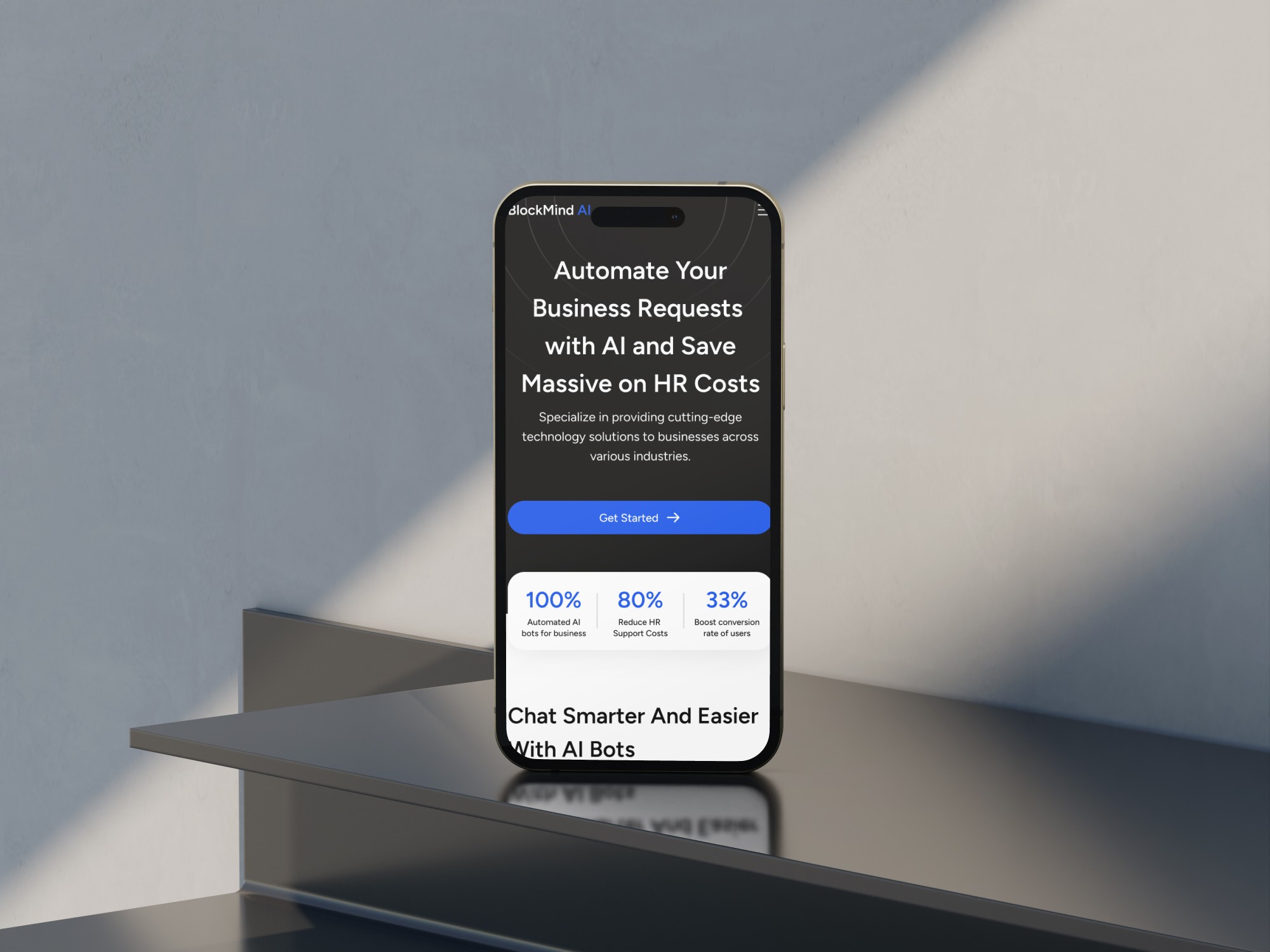
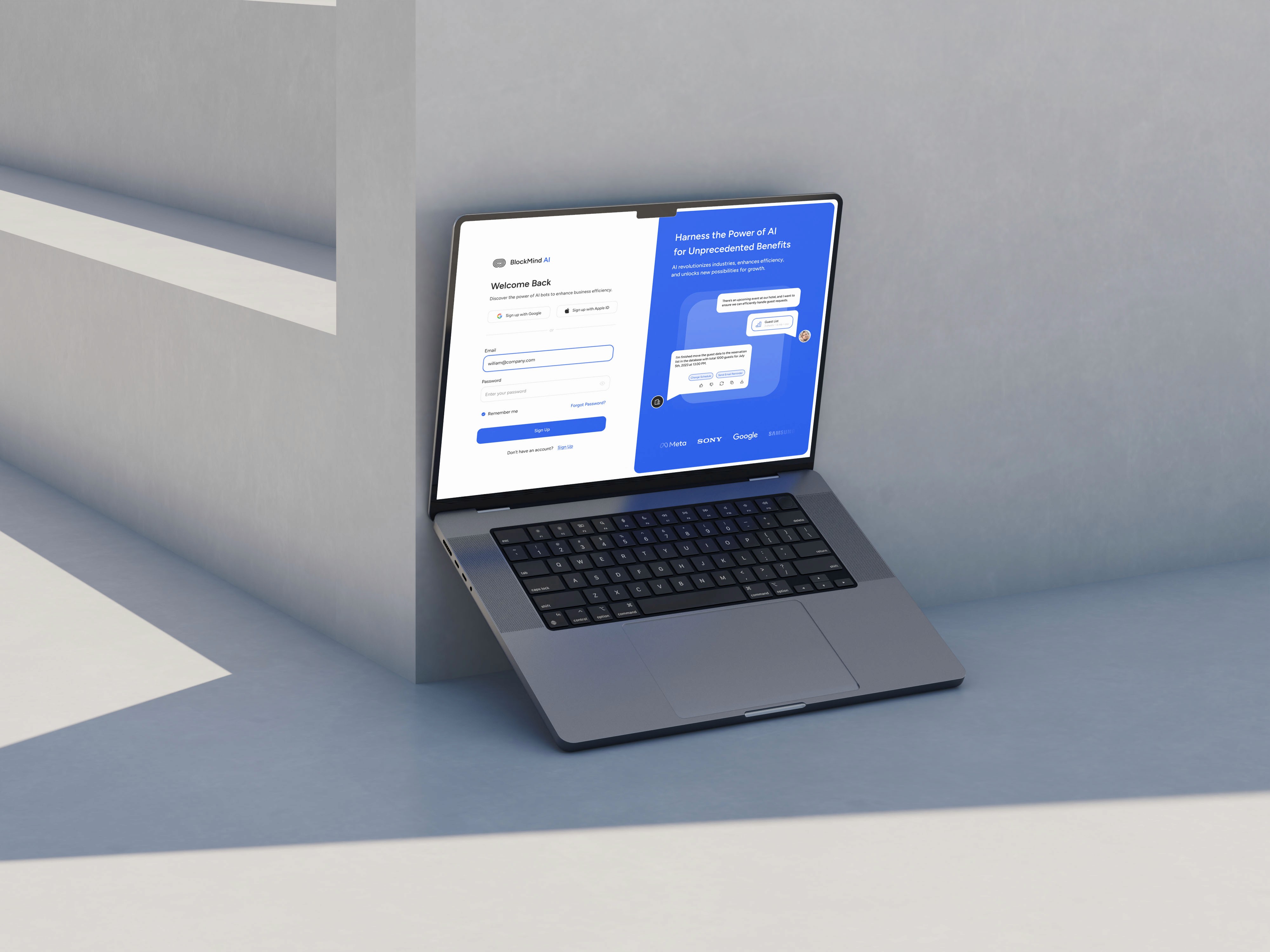
We would test Canva Craft on a campaign asset before using it to define a brand. In our BlockMindAI project, we designed a website for an AI and blockchain product. The product still needed a clear visual system around it; a new image alone could not explain what the product does.

Craft's promise is more control over composition and edits. A brand still depends on repeated choices about voice, color, typography and detail. Craft can give a team material to work with; the team has to decide what belongs. That distinction between an asset and the system around it also appears in our look at Apple Music's new logo.

If you are planning a brand or website and want a designer to help set that direction, see how SideFixers approaches design services.

Steal this

Use this test before adding an AI-generated image to a live campaign:

  1. Name the job: Write down the audience, channel and one message the image must carry.

  2. Set the layout: Specify the focal point, copy area, visual order and format.

  3. Keep the brief consistent: Compare outputs using the same prompt and brand reference.

  4. Check the brand: Compare type, color, image style and tone with an approved asset.

  5. Review the export: Check text, crop, spacing and details at the size people will see.

  6. Record repair time: Note each manual correction and decide whether the model made the job easier overall.

Canva Craft AI is worth a structured trial when a team needs designed images inside Canva. We can help set the visual system behind that work.

FAQ

What is Canva Craft?

Canva Craft is Canva's first image-generation model. Canva says it plans an image composition before rendering and makes the model available in Dream Lab and through its public API. Canva's announcement explains the model.

Is Canva Craft available to use?

Canva says Craft is available globally in Dream Lab and through its public API. The image-generation API is marked as a preview and has access and AI-credit requirements. Canva's API documentation has the current details.

Can Canva Craft generate text inside an image?

Canva says Craft can plan text as part of an image composition and generate text in 55 languages. Check the generated copy before using it in a campaign. Canva lists these capabilities in its announcement.

Should a startup use Canva Craft for its brand identity?

Use it to explore or produce campaign assets, then compare them with the brand's approved visual rules. A designer should lead decisions about the identity itself and check that generated assets fit the wider system.

Written by Vraj Patel, founder of SideFixers, a design studio building brands, websites and digital products since 2022.

Tools we build with

Got a project in mind?

Tell us what you’re building. We’ll reply by email with honest next steps, even if we’re not the right fit.

Dribbble

Twitter

Behance

Social Media

Designed and built by SideFixers. © 2026 SideFixers.

Tools we build with

Got a project in mind?

Tell us what you’re building. We’ll reply by email with honest next steps, even if we’re not the right fit.

Dribbble

Twitter

Behance

Social Media

Designed and built by SideFixers. © 2026 SideFixers.

Tools we build with
Got a project in mind?

Tell us what you’re building. We’ll reply by email with honest next steps, even if we’re not the right fit.

Dribbble

Twitter

Behance

Social Media

Designed and built by SideFixers. © 2026 SideFixers.

What’s next?

Branding

/

Vraj Patel

In today’s world, sustainability is more than just a trend—it's a movement that's reshaping industries and consumer behavior alike. As environmental awareness continues to grow, companies are increasingly seeking ways to align their brand identities with eco-friendly values. This shift has given rise to "green branding," where businesses design their brand identities to reflect a commitment to sustainability. But how can companies create a brand that truly resonates with eco-conscious consumers? Let’s dive into the essentials of green branding and explore how to design an eco-friendly brand identity that stands out.

Understanding Green Branding

Green branding is the practice of creating a brand identity that emphasizes sustainability, ethical practices, and environmental responsibility. It goes beyond using green colors or nature-inspired imagery—it's about integrating sustainability into the core values and operations of a company. Green branding communicates a company’s commitment to the planet, making it a key differentiator in a market where consumers are increasingly looking for brands that align with their values.

Key Elements of Eco-Friendly Brand Identities

1. Visual Identity

The visual aspects of a brand, including the logo, color palette, and packaging, play a significant role in conveying eco-friendliness. Colors like green, earthy tones, and natural textures can evoke a sense of nature and sustainability. However, it’s crucial to ensure that these elements are more than just superficial. For instance, using sustainable materials for packaging or creating a logo that symbolizes environmental consciousness can reinforce a brand’s green commitment.

2. Brand Messaging

Authenticity is at the heart of green branding. Consumers are quick to spot greenwashing—where a company falsely claims to be environmentally friendly—so it’s important that brand messaging is transparent and genuine. Brands should communicate their sustainability initiatives, ethical sourcing, and environmental impact in a clear and honest way. This can be done through storytelling, where the brand shares its journey towards becoming more sustainable, highlighting both achievements and challenges.

3. Sustainability Certifications and Symbols

Incorporating recognized sustainability certifications into the brand identity adds credibility. Certifications like Fair Trade, USDA Organic, or Carbon Neutral signal to consumers that the brand’s eco-friendly claims are backed by third-party verification. These symbols can be prominently featured on packaging, in marketing materials, and on the brand’s website to build trust and reinforce the company’s commitment to sustainability.

Case Studies: Brands Doing Green Right

Let’s look at a few brands that have successfully embraced green branding:

  • Patagonia: Known for its commitment to environmental activism, Patagonia’s brand identity is deeply rooted in sustainability. From using recycled materials in their products to pledging 1% of sales to environmental causes, Patagonia has built a brand that not only promotes sustainability but actively engages in it.

  • Seventh Generation: This household product company has made sustainability its core mission. Their branding focuses on transparency, from the ingredients in their products to their commitment to plant-based and biodegradable materials. The company’s name itself is a nod to the Iroquois philosophy of considering the impact of decisions on the next seven generations.

Challenges in Green Branding

Green branding isn’t without its challenges. One of the most significant risks is greenwashing, where a brand exaggerates or fabricates its environmental efforts. This can lead to a loss of consumer trust and can be difficult to recover from. Additionally, sourcing sustainable materials can be more costly and logistically complex, which can pose challenges for companies looking to scale their eco-friendly efforts.

Steps to Create an Eco-Friendly Brand Identity

1. Conduct a Sustainability Audit

Start by evaluating your company’s current environmental impact. Identify areas where you can improve, whether it's reducing waste, sourcing sustainable materials, or improving energy efficiency.

2. Engage Stakeholders

Involve employees, customers, and suppliers in your green branding efforts. Their insights and support can help ensure that your sustainability initiatives are authentic and impactful.

3. Design with Sustainability in Mind

When developing your brand’s visual identity, consider the environmental impact of your design choices. Use recycled materials for packaging, opt for eco-friendly inks, and explore ways to minimize waste in your production process.

The Future of Green Branding

As technology advances, new opportunities for green branding are emerging. For example, blockchain technology can be used to enhance supply chain transparency, allowing consumers to trace the journey of a product from raw materials to finished goods. Additionally, as more consumers prioritize sustainability, we can expect to see a continued shift towards brands that not only talk the talk but walk the walk when it comes to environmental responsibility.

Conclusion

Green branding is more than just a marketing strategy—it’s a commitment to creating a better future for the planet. By designing eco-friendly brand identities, companies can connect with consumers on a deeper level, building trust and loyalty. As the demand for sustainable products continues to rise, now is the perfect time for brands to embrace green branding and make a meaningful impact on the world.

Development

/

Vraj Patel

In today's fast-paced digital world, building a professional website no longer requires deep technical knowledge. Thanks to no-code website builders, anyone can create beautiful, functional websites in a matter of hours. Whether you're a freelancer, a small business owner, or a startup, these platforms offer a wide range of tools to help you get online quickly and easily. Here are the top 10 no-code website builders to consider in September 2024.

1. Framer

Framer continues to shine as one of the most robust no-code website builders, particularly for designers who want pixel-perfect control over their websites. Originally a prototyping tool, Framer has evolved into a full-fledged website builder with smooth animations, interactive components, and seamless collaboration features.

Free Plan: Build up to 3 websites with 1,000 visitors per month.

Paid Plans: The Mini plan starts at $5/month, offering a custom domain and the same visitor limit. For higher traffic and features like CMS collections and code embeds, plans such as Basic ($15/month) and Pro ($30/month) are available.

Why Choose Framer?

Framer’s combination of design-focused too and advanced interactivity makes it ideal for designers who want to focus on the details. If you're familiar with Figma, you'll find Framer's environment intuitive and powerful.

2. Webflow

Webflow offers the flexibility of a traditional development environment with the simplicity of a visual builder. It allows users to build custom websites without touching a single line of code, but it also provides an open door to custom coding for those who want to fine-tune their designs.

Free Plan: Start with up to two projects, but with Webflow branding.

Paid Plans: Pricing starts at $14/month for the Basic plan, which includes a custom domain. More advanced plans like CMS ($23/month) offer dynamic content capabilities, making it suitable for blogs, portfolios, and content-rich websites.

Why Choose Webflow?

Webflow is perfect for designers and agencies that need more advanced features, particularly around content management and responsive design. It’s also ideal for those who want to take advantage of custom code later down the line.

3. Wix Studio

Wix Studio offers everything users love about Wix, but with additional design freedom and control over layouts. This tool is great for those who appreciate Wix’s ease of use but require more flexibility when creating complex websites.

Free Plan: Comes with Wix branding and subdomains.

Paid Plans: Start at $16/month, which includes a custom domain and more storage space. Business and e-commerce plans start at $27/month, ideal for companies needing a robust online store .

Why Choose Wix Studio?

Wix Studio offers an intuitive user experience while also providing the ability to create highly customized sites. It's an excellent balance between ease of use and design freedom.

4. Squarespace

Squarespace remains one of the most popular website builders due to its sleek templates and comprehensive set of features. It’s especially well-suited for creatives looking to showcase portfolios or for small businesses in need of e-commerce features.

Free Plan: Not available, but you can try Squarespace with a 14-day free trial.

Paid Plans: Start at $16/month for personal sites, with higher plans (starting at $23/month) offering advanced e-commerce capabilities .

Why Choose Squarespace?

Squarespace excels in aesthetic appeal, making it the platform of choice for designers, photographers, and creative professionals. Its templates are some of the most beautifully designed in the market, and the platform also provides strong blogging tools.

5. Editor X

From the makers of Wix, Editor X offers the next level of website creation for designers and agencies. With full CSS grid layout control and advanced responsiveness, it's designed for creating intricate, pixel-perfect websites without the hassle of manual coding.

Free Plan: Build sites with Editor X branding and a Wix subdomain.

Paid Plans: Start at $22/month, including custom domains, expanded bandwidth, and increased storage .

Why Choose Editor X?

For users who want total design control, especially regarding responsiveness and layout precision, Editor X is the top choice. Its powerful tools and flexibility make it ideal for design agencies and developers who need high-level customization.

6. Carrd

Carrd is known for its simplicity and is one of the most cost-effective solutions for creating single-page websites. Ideal for landing pages, portfolios, and online resumes, Carrd’s intuitive interface and minimalistic approach make website building fast and easy.

Free Plan: Build up to three one-page sites with Carrd branding.

Paid Plans: Start at $9/year for custom domains and additional features like form integrations .

Why Choose Carrd?

If you need to build a simple, one-page site quickly and affordably, Carrd is the perfect solution. It’s also an excellent option for portfolios, landing pages, or simple product pages.

7. Bubble

Bubble stands out as one of the most powerful no-code platforms, particularly for building complex, dynamic web apps without coding. Whether you're developing a SaaS product, marketplace, or social network, Bubble provides the tools to handle it.

  • Free Plan: Allows building web apps with limited functionality and Bubble branding.

  • Paid Plans: Start at $29/month, unlocking custom domains and more advanced app features .

Why Choose Bubble?

For users building dynamic, interactive web applications with heavy functionality—like databases, user accounts, and integrations—Bubble is the clear winner. Its flexibility allows for creating virtually any kind of web app without needing technical expertise.

8. Weebly

Weebly, now part of the Square ecosystem, is an easy-to-use builder particularly suited for small businesses looking to combine website creation with simple e-commerce options. It’s intuitive and offers seamless integration with Square’s payment system.

  • Free Plan: Build websites with Weebly branding and subdomains.

  • Paid Plans: Start at $12/month for custom domains and expanded storage .

Why Choose Weebly?

For small businesses needing a simple and affordable solution that integrates with Square for payments, Weebly is an ideal choice. It's user-friendly and great for beginners.

9. Tilda

Tilda is a builder focused on storytelling and content-driven websites. It offers a modular block system, allowing you to create long-form content with ease. It's popular with designers and marketers looking to combine beautiful visuals with informative content.

  • Free Plan: Build one website with Tilda branding.

  • Paid Plans: Start at $15/month for custom domains and advanced features like more storage and page analytics .

Why Choose Tilda?

Tilda is the best platform for users who need to create long-form, storytelling websites, such as blogs, portfolios, or educational sites. Its simple yet effective tools allow for creating engaging and interactive pages.

10. Zyro

Zyro is a budget-friendly option for individuals and small businesses looking to build websites quickly. With AI-driven tools that assist in content creation and design, Zyro simplifies the process without sacrificing quality.

  • Free Plan: Includes Zyro branding and a subdomain.

  • Paid Plans: Start at $2.90/month, making it one of the most affordable platforms on the list .

Why Choose Zyro?

For users on a tight budget or those looking to get a site up fast, Zyro offers a streamlined, cost-effective solution. It’s a great option for beginners looking for an easy-to-use platform that doesn’t compromise on features.

Conclusion

Every no-code website builder on this list offers a free plan, allowing you to test their tools before committing to a paid subscription. Each platform caters to different needs, from simple portfolios to complex web apps, so be sure to choose one that fits your vision and goals. Paid plans start as low as $2.90/month, offering more advanced features like custom domains, increased storage, and dynamic content.

Pick the right tool, and start building your online presence today!